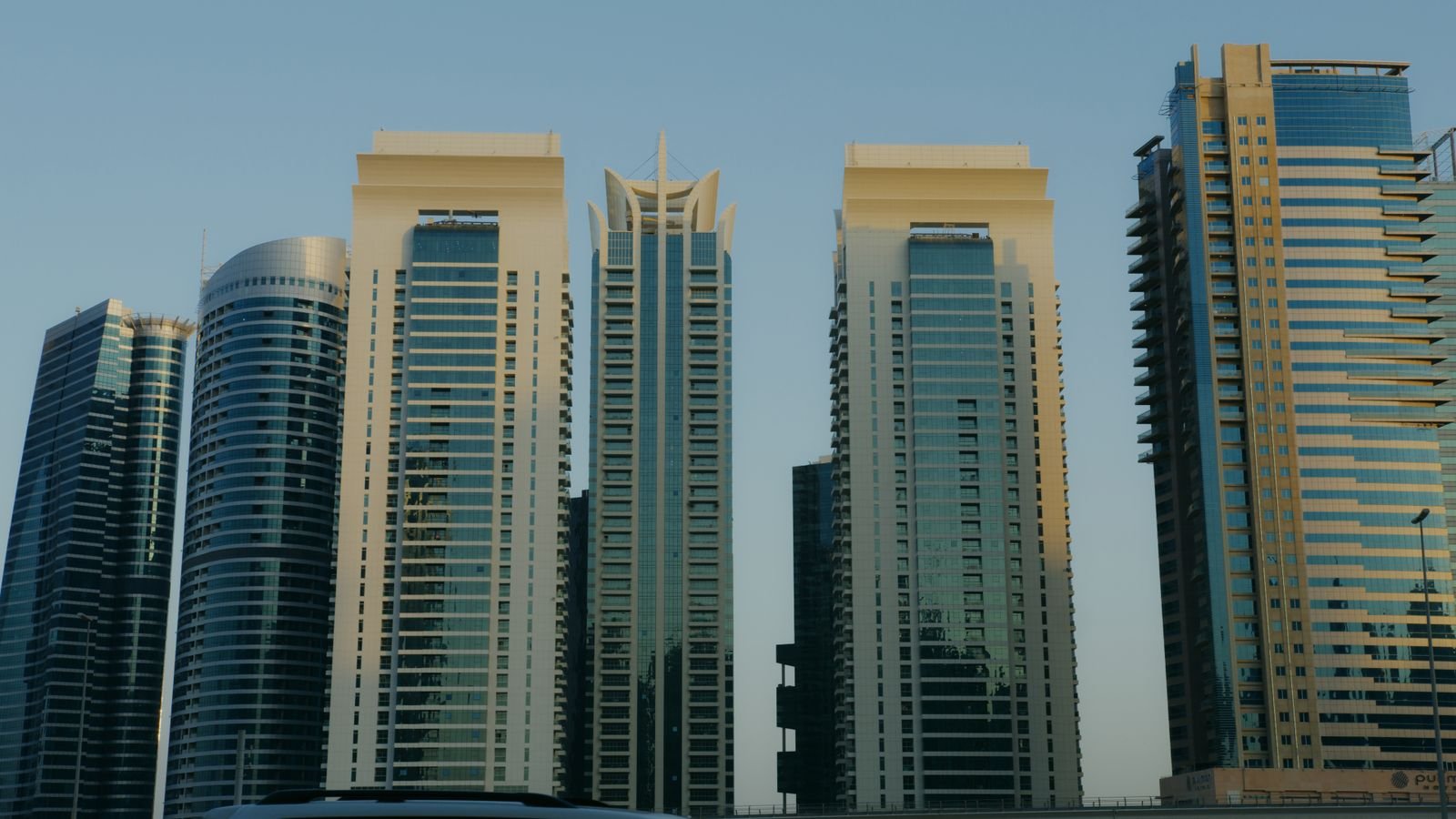
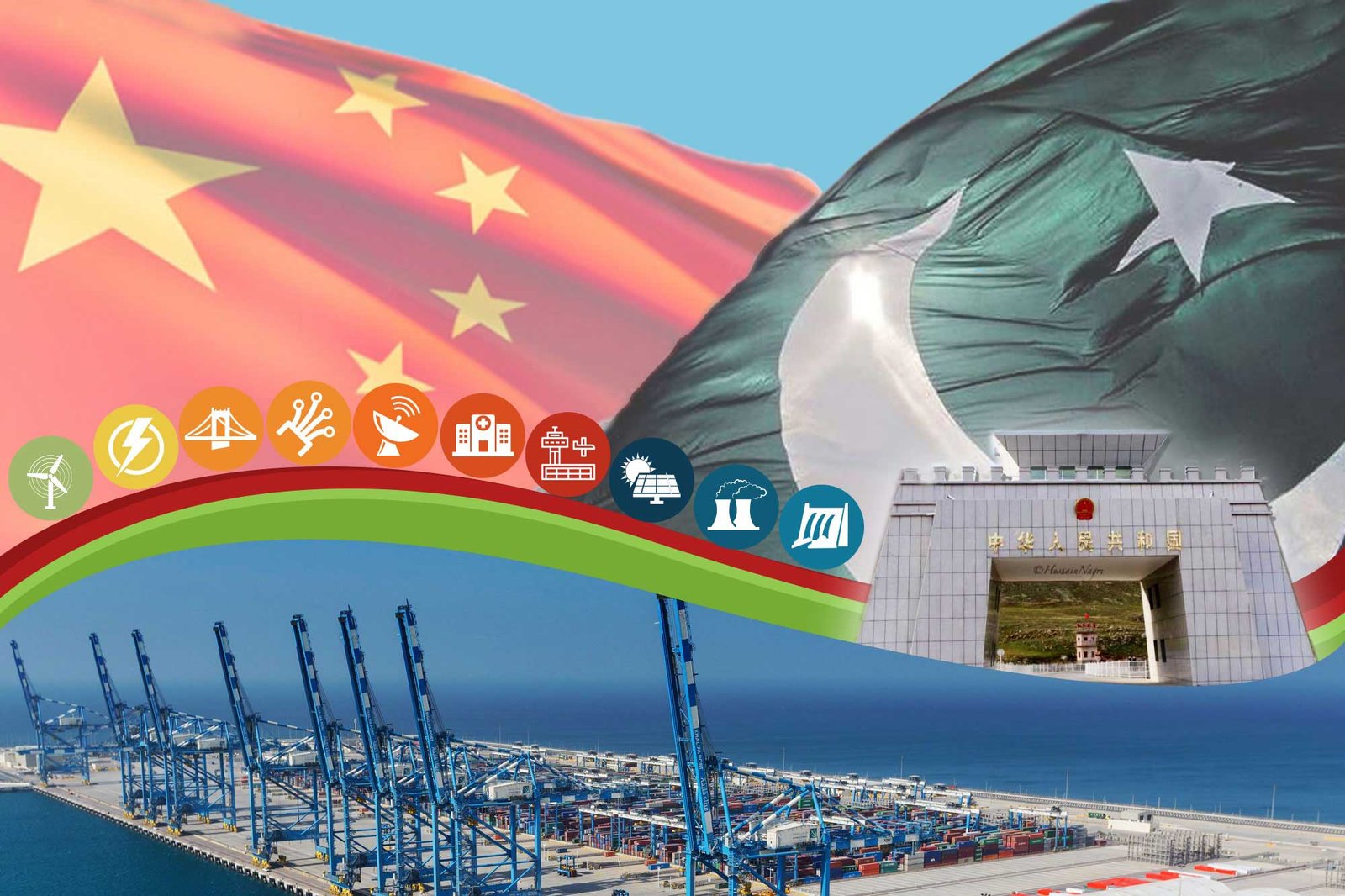
Over the past decade, Islamabad has undergone a visible transformation—from a primarily administrative capital to a growing center for commercial activity and corporate investment. One of the most significant drivers behind this shift is the China-Pakistan Economic Corridor (CPEC), a long-term strategic initiative that has reshaped Pakistan’s economic and infrastructure landscape.
While CPEC spans the entire country, its indirect yet powerful impact on Islamabad has positioned the capital as a rising hub for infrastructure development, investment confidence, and commercial real estate growth.
CPEC and Islamabad’s Strategic Importance
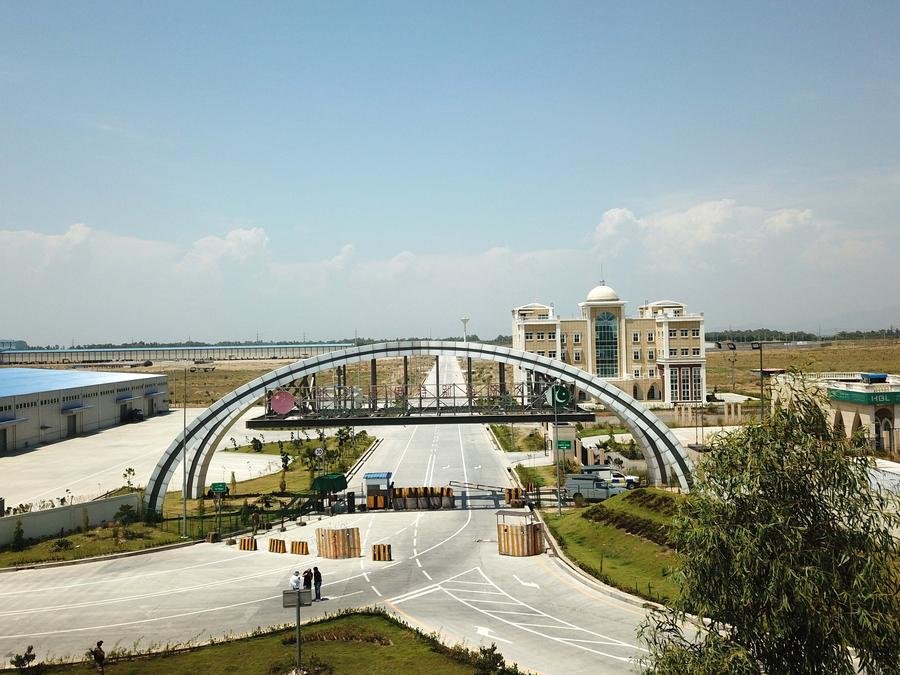
(241016) — ISLAMABAD, Oct. 16, 2024 (Xinhua) — A drone photo taken on June 23, 2024 shows a view of Rashakai Special Economic Zone under the China-Pakistan Economic Corridor in Nowshera, Pakistan’s northwest Khyber Pakhtunkhwa (KP) province. TO GO WITH “Feature: Rashakai SEZ under CPEC begins to contribute to industrial development in Pakistan” (Xinhua/Ahmad Kamal)
China and pakistan Economic Corridor is a flagship project under China’s Belt and Road Initiative, aimed at enhancing regional connectivity, trade, and economic integration between China and Pakistan.
As the political and administrative center of Pakistan, Islamabad plays a crucial role in policy formulation, regulatory oversight, and international coordination related to CPEC. This status has made the city a natural base for:
Multinational companies involved in CPEC-related projects
Consulting, legal, and financial firms supporting cross-border investments
Government-linked commercial operations and trade facilitation offices
The result has been increased demand for modern office spaces, corporate headquarters, and mixed-use commercial developments across the city.
Infrastructure Development: A Foundation for Growth
One of CPEC’s most visible contributions to Islamabad is the acceleration of infrastructure development. Although many large-scale projects are located along trade corridors, Islamabad has benefited from complementary urban improvements, including:
Expanded expressways and improved road connectivity linking the capital to key economic zones
Upgraded public transport systems supporting workforce mobility
Development of new commercial sectors and business districts supported by better utilities and planning
These improvements have reduced travel times, improved logistics efficiency, and opened new areas for commercial and corporate real estate development—key factors for businesses deciding where to establish operations.
Rising Investment Confidence
CPEC has played a major role in strengthening investor confidence in Pakistan’s long-term economic outlook. For investors, Islamabad offers a unique advantage:
- A stable regulatory environment due to proximity to federal institutions
- Lower political and security risk compared to other major cities
- A well-planned urban structure suitable for high-value commercial projects
As a result, both local and overseas investors are increasingly viewing Islamabad as a low-risk, high-potential destination for commercial real estate investment, particularly in office towers, business parks, and corporate plazas.
Commercial Real Estate and Business Expansion
The ripple effects of CPEC-driven growth have been especially strong in Islamabad’s commercial real estate sector. The city has seen a noticeable rise in:
- Corporate office developments
- Co-working and flexible workspace concepts
- Retail and mixed-use projects catering to business professionals
Sectors such as IT services, telecommunications, engineering consultancies, and professional services are leading demand, drawn by Islamabad’s skilled workforce and high quality of life.
This growing business presence has created a self-reinforcing cycle—as more companies establish themselves in the capital, the demand for premium commercial real estate continues to rise.
Looking Ahead: Islamabad’s Long-Term Outlook
CPEC is not a short-term project; it is a multi-decade economic partnership. As later phases focus more on industrial cooperation, technology transfer, and services, Islamabad is well-positioned to benefit further as:
A corporate coordination center
A hub for regional offices and administrative headquarters
A prime market for high-end commercial real estate
Conclusion
CPEC’s influence on Islamabad goes far beyond infrastructure alone. By improving connectivity, boosting investor confidence, and strengthening the business ecosystem, it has helped transform the capital into a growing commercial and corporate destination.
As Pakistan continues its economic integration with regional and global markets, Islamabad stands out as a city where infrastructure, investment, and commercial growth converge—making it one of the most promising real estate markets in the country.